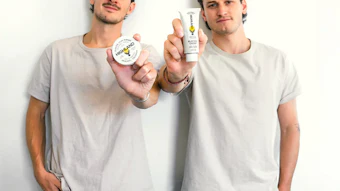
Lixr, a Sephora brand describing itself as “skincare disguised as makeup”, launched made it's debut February 27 across the U.S. and Canada before moving into 30 physical locations, according to reporting from Beauty Independent.
Susanne Langmuir, founder, product developer and the force behind Lixr, is heading the effort and is best known for previously founding Bite Beauty, which debuted at Sephora in 2012.
Langmuir is positioning Lixr as makeup formulated with skincare in mind, meaning products are designed not just to sit on the skin, but to support it. The brand’s guiding philosophy centers on ingredient integrity, with formulas crafted from components considered safe and beneficial enough to be ingested.
To achieve that standard, Lixr omits both water and silicones, opting instead for highly concentrated blends that do not rely on synthetic preservatives. The approach also happens to align with broader regulatory shifts underway in Europe. The European Union has announced upcoming limits on certain silicone compounds, including decamethylcyclopentasiloxane (D5) and dodecamethylcyclohexasiloxane (D6), restricting their use above 0.1% in both rinse-off and leave-on cosmetics sold in EU markets beginning June 6, 2027. As brands prepare for reformulation, silicone-light or silicone-free products are increasingly part of the conversation.
Related: Synthetics Vs. Botanicals: Breaking Down "Clean" Skin Care
The decision to pursue waterless formulas is personal for Langmuir. She told Beauty Independent that her son’s struggle with cystic acne alongside an autoimmune diagnosis and a proposed treatment plan that included prednisone prompted her to reconsider cosmetic ingredient lists more closely.
“I really went down a deep dive on preservatives,” Langmuir said. “Waterless is how you avoid preservatives. Because there is zero water, there’s a need for antioxidants, but not for preservatives.”
Lixr is not alone in adjusting to changing ingredient expectations. Major brands such as Armani and Estée Lauder have also been reevaluating formulations as the category shifts toward skincare-forward complexion products — foundations and skin tints designed to enhance skin health rather than simply mask imperfections.
“Complexion, in particular, is undergoing seismic change in formulations and consumer preferences,” Langmuir said.
While full-coverage artistry foundations will always have an audience, she believes demand is rapidly growing for breathable, skin-like finishes that prioritize radiance and long-term skin wellness.