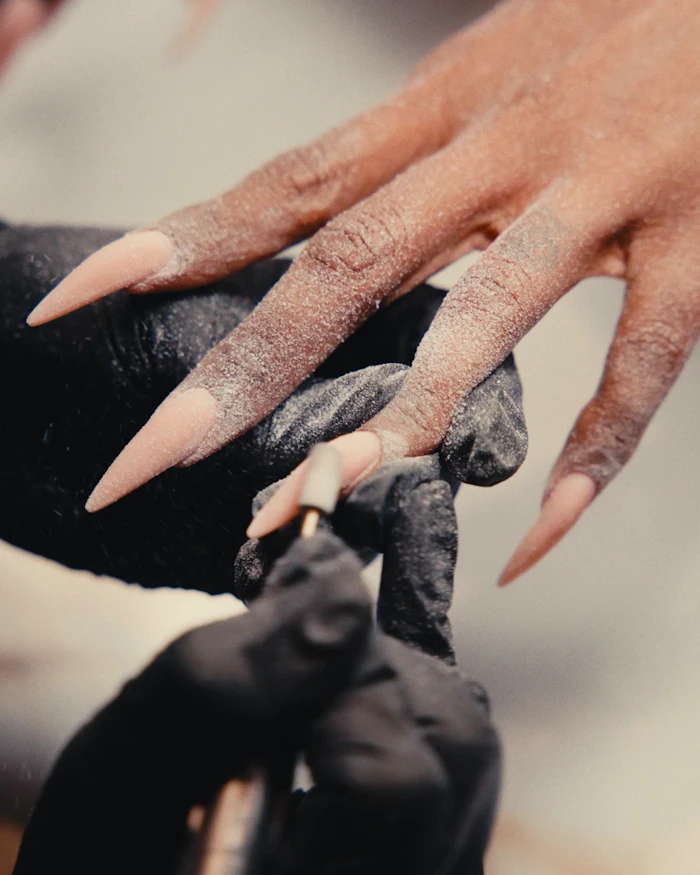
For years, acrylic nails have had one of the most controversial reputations in the nail industry. Depending on who you ask, they’re either considered “old school” or the gold standard of nail enhancements. Somewhere along the way, acrylic started to be described as thick, damaging and outdated. The truth is, acrylic isn’t the problem; poor application and improper removal are.
As an educator, competitor and everyday nail artist, acrylic continues to be the product I reach for most. From the start of my career in 2017 until now, I’ve only grown to appreciate it more as my skill set has evolved. Why? Because the possibilities are endless. Acrylic gives me complete control over length, shape and structure while delivering the durability my clients need. Whether they’re tough on their hands, looking to strengthen weaker natural nails, or wanting a dramatic set that makes a statement, acrylic consistently delivers.
Acrylic offers a unique combination of durability and versatility that continues to hold its own against trendy enhancement systems such as soft gel extensions. When maintained properly with routine fills, a quality acrylic set can last for months without requiring complete removal. That’s a better experience for my clients and creates long-term consistency for my business.
It's All in the Technique
Of course, none of these benefits matter without proper technique. Proper nail preparation, clean cuticle work and a consistent liquid-to-powder ratio create the foundation for long-lasting retention. Product control is just as important. In my classes, I always tell my students, “controlling your bead is more important than working fast.” Speed comes naturally once you stop fighting the product.
A well-controlled bead minimizes filing, creates a cleaner structure and ultimately produces a stronger overall nail enhancement. Working with beads that are too wet can make it harder to build a strong foundation and even promote lifting, while beads that are too dry become difficult to manipulate and may compromise adhesion.
Pro Tip: If your bead is too wet, lightly touch the back of your brush to a dry paper towel before introducing your bead to the nail. Removing just a little bit of that excess monomer gives you more control. If your bead is too dry, don’t try to save it; discard it and create a fresh bead.
And no, acrylic nails don’t have to be thick to be strong. One of the easiest mistakes I see nail professionals make is assuming more product equals more strength. In reality, less is often more.
Strength comes from the architecture of the nail, not from building Mount Everest. A proper apex, balanced sidewalls and thoughtful product placement create a nail that’s both durable and strong. One of the biggest shifts in my technique happened when I stopped focusing on how much product I was using and started focusing on where the product actually belonged.
Adjustments Go a Long Way
Let’s not forget, your salon environment matters, too.
Pro Tip: Cooler temperatures slow polymerization, while warmer temperatures speed it up. Learning how to adjust your liquid-to-powder ratio and working speed based on your environment is essential. I like to keep my salon around 71–74°F for ideal acrylic application.
These small adjustments can make a big difference in acrylic application. Whether you’re working in a salon, salon suite, or a studio in your home, controlling your environment is key.
Breaking Down Misconceptions
“Acrylic damages the natural nail.” So I’ve heard. In reality, damage usually comes from poor technique. Overfiling the natural nail, skipping the proper preparation steps, or removing enhancements incorrectly are what compromise nail health, not the acrylic itself.
Pro Tip: When it’s time for removal, resist the urge to pop a set of acrylic nails off. A proper soak-off protects the natural nail and creates a healthier foundation for the next set. During prep, remove only the surface shine and dead skin, not layers of the nail plate. Around the cuticle, less is more; heavy filing in that area can create painful “rings of fire” that weaken the nail plate and negatively affect your retention. These are all preventable mistakes with proper education, practice and patience.
One of my favorite advantages of acrylic is the ability to maintain the same enhancement over time. Unlike other extension systems that require a complete soak-off between sets, with acrylic, I can fill the regrowth, rebalance the apex and maintain the structure that’s already there. It’s efficient, practical and even saves time during each client’s appointment and we all know time is money. That extra time can be spent creating more detailed nail art, fitting another client into my day, or simply taking a breather between appointments.
As someone who’s worked with nearly every enhancement system available, I’ve never felt the need to choose sides. Every product has a place. But acrylic continues to be the system I trust most because it gives me the freedom to create without sacrificing strength or longevity.
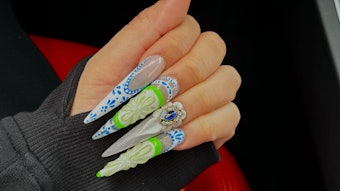
So whether you’re sculpting a dramatic stiletto, handcrafting intricate 3D flowers, or creating an elegant encapsulated design, acrylic provides the foundation to bring those ideas to life. It’s more than just a nail enhancement; it’s a medium for artistry, precision and technical excellence. While trends continue to evolve, acrylic has remained a constant because it adapts without sacrificing what made it great in the first place.
For me, acrylic isn’t making a comeback. It never left.